
In this article
- Trend 1: AI-Powered Hyper-Personalization in Internet Marketing
- Trend 2: Dominance of Short-Form Video Content for Internet Marketing
- Trend 3: Evolution of Influencer Marketing in the Internet Marketing Landscape
- Trend 4: AI Search Evolution & Generative Engine Optimization (GEO) for Internet Marketing
- Trend 5: Immersive Experiences with AR & VR in Internet Marketing
- Trend 6: First-Party Data & Data Privacy in Internet Marketing
- Trend 7: Omnichannel Marketing Cohesion for Internet Marketing Success
- Trend 8: User-Generated Content (UGC) for Internet Marketing Community Building
- Trend 9: Conversational Marketing & Chatbots in Internet Marketing
- Trend 10: Ethical AI and Transparency in Internet Marketing
- Conclusion
- Frequently Asked Questions
Trend 1: AI-Powered Hyper-Personalization in Internet Marketing
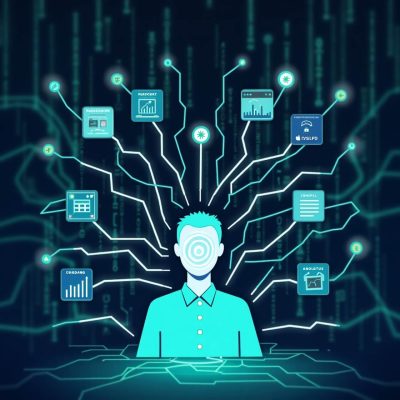
The concept of personalization in marketing isn’t new, but its power has been exponentially amplified by artificial intelligence. The rise of AI in marketing has ushered in an era of true hyper-personalization, fundamentally transforming how businesses approach internet marketing.
AI algorithms now possess the capability to analyze vast quantities of customer data—from browsing history and purchase patterns to demographic information and real-time behavior—with unprecedented speed and accuracy.
This deep analysis allows businesses to deliver highly tailored content, predict product preferences, and craft user experiences that feel uniquely designed for each individual.
This level of customization isn’t just an improvement; it genuinely redefines the precision and effectiveness possible in modern internet marketing.
This advanced personalization at scale offers significant benefits for both marketers and consumers in internet marketing. For marketers, it translates directly into increased customer engagement, as content precisely matches user interests, leading to higher click-through rates and more meaningful interactions.
This granular understanding of customer needs also drives higher conversion rates, as relevant product recommendations and offers are presented at precisely the right moment.
For consumers, the experience becomes less about being bombarded with generic ads and more about discovering truly valuable content and products that resonate with their individual needs, ultimately leading to enhanced customer satisfaction and loyalty.
This symbiotic relationship elevates the overall quality of internet marketing.
The practical applications of AI-driven personalization are already widespread and continue to expand across various facets of internet marketing. In email marketing, AI can dynamically adjust subject lines, content, and send times based on individual recipient behavior.
Websites leverage AI for adaptive layouts and personalized product carousels that change based on a user’s past interactions. In digital advertising, AI powers dynamic creative optimization, where ad copy and visuals are automatically tailored to individual viewers.
Tools employing predictive analytics anticipate future customer actions, allowing for proactive marketing interventions. These examples demonstrate how AI is moving beyond basic segmentation to deliver truly intelligent and responsive internet marketing campaigns.
Trend 2: Dominance of Short-Form Video Content for Internet Marketing
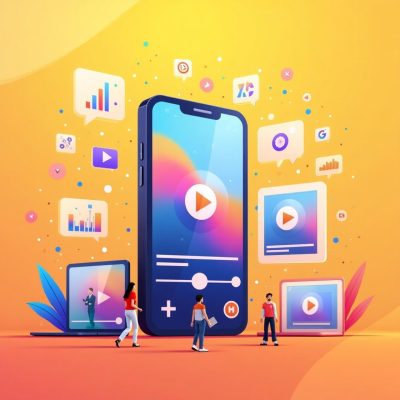
The meteoric rise of platforms like TikTok has undeniably reshaped the landscape of internet marketing, ushering in the undeniable dominance of short-form video. What began as a platform for quick dances and memes has evolved into a powerful channel for discovery, engagement, and direct conversions.
This “TikTok effect” now extends across virtually all major social media platforms, with Instagram Reels, YouTube Shorts, and even Facebook and LinkedIn prioritizing concise, vertical video content.
This shift means that for any effective internet marketing campaign, understanding and leveraging short-form video is no longer a niche tactic but a core requirement.
The appeal of short-form video for internet marketing lies in its ability to deliver snackable, highly engaging content that captures attention quickly in a scroll-heavy environment.
Its concise nature fits perfectly with diminishing attention spans, while its visual and auditory elements create a more immersive experience than static images or text. Brands are increasingly realizing the power of this format for authentic storytelling, showcasing products, and building a relatable online presence.
It’s an incredibly effective tool for brand building online and driving product promotion within modern internet marketing strategies.
To create truly impactful short-form video for internet marketing, strategy is key. Firstly, embrace authenticity over polished perfection; raw, relatable content often performs best.
Secondly, stay vigilant about trending sounds, challenges, and formats specific to each platform, adapting them creatively to your brand message. Encourage and repurpose user-generated content (UGC) from your audience, as this builds trust and community.
Finally, don’t just create; optimize. Utilize platform-specific features like interactive stickers, polls, and direct calls to action to maximize engagement and direct traffic, significantly boosting your overall internet marketing efforts.
Trend 3: Evolution of Influencer Marketing in the Internet Marketing Landscape
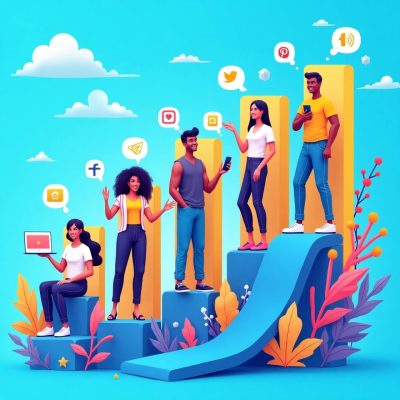
Influencer marketing has matured significantly within the broader internet marketing spectrum. The initial focus on celebrity endorsements and macro-influencers (those with millions of followers) is steadily giving way to a more nuanced approach.
The current trend emphasizes the power of micro and nano influencers—individuals with smaller but highly engaged and niche communities.
These influencers often possess a deeper level of trust and authenticity with their followers, making their recommendations feel more genuine and impactful.
This shift allows brands to target highly specific demographics and interests more effectively, leading to more meaningful connections and higher conversion rates within their internet marketing efforts.
Modern internet marketing now relies heavily on data-driven influencer partnerships. Gone are the days of simply choosing an influencer based on follower count alone.
Businesses are increasingly leveraging advanced analytics tools to identify influencers whose audience demographics, engagement rates, and content styles truly align with their brand values and campaign objectives.
This data-first approach enables precise targeting and allows marketers to accurately measure the return on investment (ROI) from their internet marketing campaigns. Understanding performance metrics beyond vanity numbers is critical for optimizing spend and refining future influencer strategies.
Ultimately, success in internet marketing through influencers hinges on building trust and authenticity. Consumers are savvy; they can spot inauthentic endorsements from a distance.
Therefore, genuine connections between brands and influencers, built on shared values and mutual respect, are paramount. Transparent collaborations, clearly disclosing sponsored content, also build credibility.
When influencers genuinely believe in a product or service, their enthusiasm translates into more persuasive and effective internet marketing campaigns, driving stronger customer engagement.
Trend 4: AI Search Evolution & Generative Engine Optimization (GEO) for Internet Marketing
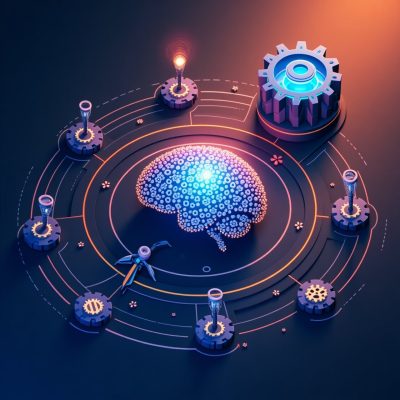
The traditional search engine results page is undergoing a profound transformation, driven largely by AI search evolution. Google’s integration of AI Overviews, where AI-generated summaries appear directly at the top of search results, fundamentally alters how users consume information and how businesses achieve visibility.
This shift means that simply ranking high isn’t enough; your content must be structured and comprehensive enough for AI to accurately summarize and extract key information.
For internet marketing professionals, this implies a renewed focus on providing direct, authoritative answers within their content, anticipating the kind of information AI systems will prioritize. This development marks a significant inflection point in the mechanics of internet marketing.
Beyond AI Overviews, optimizing for conversational and visual search is becoming increasingly vital for effective internet marketing. As smart speakers and voice assistants proliferate, voice search optimization requires content to be more natural, conversational, and often structured around direct questions.
Users are no longer typing short keyword phrases; they’re asking full questions. Similarly, visual search technology, integrated into platforms like Google Lens and Pinterest, allows users to search using images.
This demands that internet marketing assets, from product images to infographics, be properly tagged and optimized to be discoverable in this new visual-first environment.
To succeed in this evolving landscape, internet marketing strategies must embrace Generative Engine Optimization (GEO).
This means moving beyond traditional keyword stuffing and focusing on creating truly valuable, in-depth content that addresses user intent comprehensively.
Prioritizing helpful content updates is crucial, ensuring your information is genuinely useful and not just optimized for algorithms. Furthermore, building E-E-A-T (Experience, Expertise, Authoritativeness, Trustworthiness) becomes paramount, as AI systems are designed to favor credible and trustworthy sources.
By structuring your content for clarity, comprehensiveness, and genuine value, you position your internet marketing efforts to thrive in an AI-driven search future.
Trend 5: Immersive Experiences with AR & VR in Internet Marketing
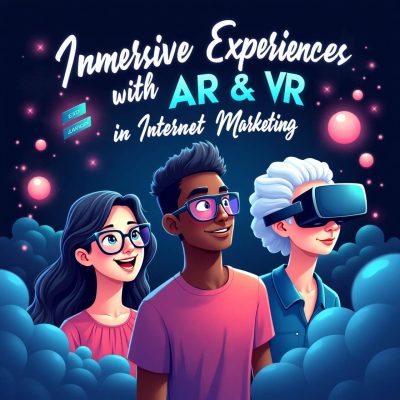
The frontier of Internet marketing is rapidly expanding into immersive digital realms, primarily through augmented reality (AR) and virtual reality (VR).
These technologies are no longer confined to gaming; they are powerful tools for creating highly engaging and interactive brand experiences that deeply resonate with consumers.
By bridging the gap between the digital and physical worlds, AR and VR allow businesses to offer unique interactions that traditional Internet marketing cannot.
Whether it’s virtually placing furniture in your living room or stepping into a brand’s virtual store, these technologies are setting a new standard for customer engagement and product exploration within the digital marketing landscape.
The real-world applications of AR/VR in marketing are becoming increasingly diverse and impactful. Many retailers now offer virtual try-on features for clothing and makeup, allowing customers to “wear” products digitally before purchase, significantly reducing returns and boosting confidence.
Similarly, furniture brands provide AR apps that let users visualize how a sofa or table would look in their home. Beyond product showcasing, brands are hosting interactive virtual events, concerts, and even metaverse experiences that transport consumers into a fully immersive brand world.
These innovative approaches demonstrate the evolving possibilities for direct and memorable customer interactions in Internet marketing.
Looking ahead, the future potential and accessibility of immersive Internet marketing are immense. As AR capabilities become standard on smartphones and VR headsets become more affordable and sophisticated, these experiences will move beyond early adopters into the mainstream.
This increasing accessibility means businesses of all sizes can begin to explore how AR and VR can differentiate their Internet marketing efforts.
Early adoption and experimentation with immersive consumer experiences now will position brands as innovators, ready to capture the attention of a tech-savvy audience demanding more interactive and personal connections in the evolving Internet marketing ecosystem.
Trend 6: First-Party Data & Data Privacy in Internet Marketing
One of the most significant shifts impacting internet marketing right now is the move towards a cookieless future. With major browsers like Chrome phasing out third-party cookies by late 2024, the traditional methods of tracking user behavior across websites are becoming obsolete.
This deprecation of third-party cookies forces internet marketing professionals to pivot sharply towards leveraging first-party data.
This refers to information a company collects directly from its customers with their consent – through website interactions, CRM systems, or direct sign-ups. This monumental change means building direct relationships with consumers and prioritizing owned data channels is no longer an option but a fundamental necessity for effective internet marketing.
Building trust through data transparency in internet marketing has become paramount. As consumers become more aware of how their data is collected and used, their expectations for privacy have risen dramatically.
For any internet marketing strategy to succeed, ethical data collection practices and transparent communication about data usage are non-negotiable.
Adhering to evolving privacy regulations like GDPR and CCPA isn’t just about compliance; it’s about fostering confidence.
When brands are clear about their data practices and demonstrate a genuine commitment to consumer privacy, they build stronger relationships, enhancing brand loyalty and overall effectiveness in internet marketing.
Developing robust strategies for first-party data collection and utilization in internet marketing is crucial for navigating this new environment.
Businesses must focus on incentivizing direct data sharing through value propositions like personalized experiences, exclusive content, or loyalty programs.
Implementing customer data platforms (CDPs) is becoming essential, as these systems consolidate customer information from various sources into a unified profile, providing a holistic view.
By leveraging CDPs and nurturing direct customer relationships, internet marketing efforts can become more precise, personalized, and respectful of privacy, ensuring sustained effectiveness in a world without third-party cookies.
Trend 7: Omnichannel Marketing Cohesion for Internet Marketing Success
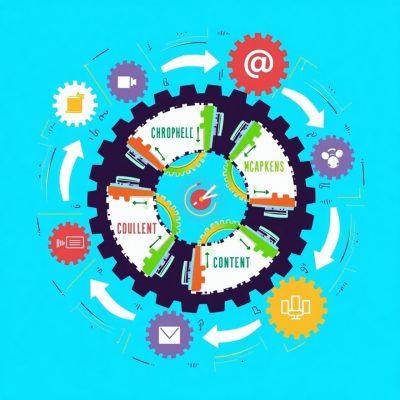
In today’s complex consumer landscape, a fragmented customer experience can quickly erode brand loyalty. This is where omnichannel marketing becomes critical for any successful internet marketing strategy.
Unlike multi-channel approaches that simply use several platforms, omnichannel ensures a seamless and consistent customer journey across all touchpoints, both online and offline.
Whether a customer interacts with your brand through a social media ad, an email, a website visit, a brick-and-mortar store, or a customer service call, the experience should feel unified and continuous. This cohesion is vital for building strong relationships and maximizing engagement within modern internet marketing.
The true power of omnichannel marketing cohesion lies in integrating online and offline experiences within internet marketing.
Consider a scenario where a customer browses a product online, adds it to their cart, but doesn’t complete the purchase.
A truly omnichannel approach means they might then receive a targeted email reminder, see a relevant ad on social media, and even receive a text message offering in-store pickup options.
Brands are unifying digital touchpoints (websites, apps, social media, email) with physical ones (in-store purchases, events, customer service) to create a holistic view of the customer.
This integration ensures that every interaction contributes to a singular, personalized customer journey, optimizing internet marketing effectiveness.
Achieving omnichannel internet marketing success requires the right tools and strategies.
Central to this approach are robust Customer Relationship Management (CRM) systems that serve as a single source of truth for all customer data. These systems enable marketers to track interactions across various channels, providing the insights needed for personalized communication.
Integrated marketing platforms further facilitate automation and coordination across email, social media, advertising, and content management.
By investing in these technologies and fostering cross-departmental collaboration, businesses can break down silos and deliver a truly cohesive brand experience that drives loyalty and conversion in their internet marketing efforts.
Trend 8: User-Generated Content (UGC) for Internet Marketing Community Building
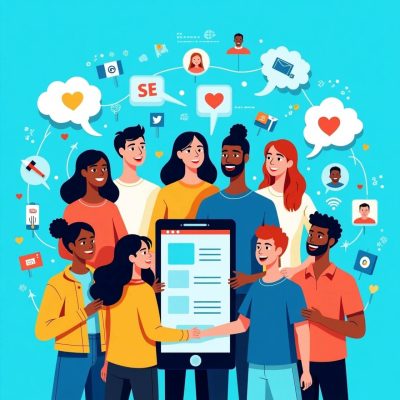
In an era saturated with traditional advertising, user-generated content (UGC) has emerged as a powerful, authentic force in internet marketing.
Consumers today are more skeptical of direct brand messaging and increasingly seek genuine endorsements from their peers.
UGC, which includes everything from customer reviews and testimonials to social media posts and videos created by real users, inherently carries a higher level of trust and credibility.
This is because it comes from relatable individuals who have genuinely experienced a product or service. This organic, authentic content acts as a powerful form of social proof, significantly influencing purchase decisions and enhancing a brand’s reputation within the internet marketing sphere.
To maximize the impact of UGC for internet marketing, businesses must actively strategize to encourage and leverage it. Inspire customers to create and share content by running contests, using specific hashtags, or directly requesting reviews and testimonials after a purchase.
Make it easy for them to share their experiences across various platforms. Actively monitor social media for brand mentions and feature compelling UGC on your own channels—with permission, of course.
This not only provides valuable content but also shows appreciation for your customers, further fostering a sense of community around your brand and enriching your overall internet marketing efforts.
The benefits of UGC in internet marketing extend beyond just authenticity; it significantly boosts both engagement and reach.
When customers share their experiences, they are not just providing content; they are advocating for your brand within their personal networks. This organic sharing expands your brand’s visibility to new audiences who might not otherwise have been reached by your paid campaigns.
Furthermore, UGC fosters a strong sense of community, transforming customers from passive consumers into active brand advocates. This amplifies brand messaging in a highly credible way, proving that user-generated content is an invaluable asset for any comprehensive internet marketing strategy.
Trend 9: Conversational Marketing & Chatbots in Internet Marketing
The demand for instant gratification and personalized service has made conversational marketing a cornerstone of modern internet marketing. Consumers no longer want to wait for email responses or navigate complex phone menus; they expect immediate, real-time interaction.
This is where the strategic deployment of chatbots, live chat, and messaging apps comes into play. These tools facilitate direct, two-way communication, allowing businesses to engage with customers at any stage of their journey, from initial inquiry to post-purchase support.
This shift towards always-on, responsive interaction fundamentally redefines customer service within the internet marketing ecosystem.
The benefits of integrating conversational AI into internet marketing extend significantly to enhancing customer service and optimizing lead generation strategies.
Chatbots can provide instant answers to frequently asked questions, resolve common issues, and guide users through processes, freeing up human agents for more complex inquiries.
More importantly, intelligent chatbots can qualify leads by asking a series of targeted questions, gathering contact information, and even scheduling appointments, seamlessly passing warm leads to sales teams.
This efficiency boosts the overall effectiveness of internet marketing by streamlining the sales funnel and improving the customer experience simultaneously.
Designing effective conversational experiences for internet marketing requires careful consideration. It’s not just about automating responses; it’s about creating helpful and engaging interactions that feel natural.
This involves scripting clear, concise, and empathetic responses, integrating with back-end systems for personalized data retrieval, and ensuring a seamless handover to human agents when complex issues arise.
Brands must also choose the right channels—whether it’s website chatbots, Facebook Messenger, or WhatsApp—based on their target audience’s preferences. By prioritizing user experience in conversational AI, businesses can significantly enhance their internet marketing efforts and build stronger customer relationships.
Trend 10: Ethical AI and Transparency in Internet Marketing
As artificial intelligence becomes more integrated into every facet of internet marketing, the conversation around ethical AI and transparency has moved from a niche concern to a critical imperative.
Consumers are becoming increasingly aware of how AI influences their experiences, from personalized ads to AI-generated content. This growing awareness can lead to “AI fatigue” or skepticism if not managed carefully.
Therefore, it’s vital for brands to address potential consumer concerns proactively by ensuring their AI practices are fair, unbiased, and respect user privacy. Neglecting these ethical considerations can erode trust, a cornerstone of successful internet marketing.
Building trust with responsible AI practices in internet marketing is paramount. This means more than just adhering to legal requirements; it involves a commitment to ethical considerations in data usage, ensuring algorithms don’t perpetuate biases, and transparently handling AI-generated content.
For instance, if AI is used to craft personalized email campaigns or customer service responses, the underlying data must be handled with the utmost care, avoiding discriminatory outcomes.
Companies must actively audit their AI systems for fairness and explainability, demonstrating a genuine commitment to responsible innovation within their internet marketing frameworks.
Crucially, brands must prioritize communicating AI’s role transparently in internet marketing. This isn’t about revealing proprietary algorithms but about openly discussing how AI is being used to enhance the customer experience.
For example, a brand might explain that AI helps recommend products based on past purchases or that a chatbot uses AI to provide faster support. This openness builds credibility and helps demystify AI for consumers.
By fostering transparency and ensuring ethical implementation, businesses can leverage the immense power of AI to drive their internet marketing forward while simultaneously strengthening customer relationships and building long-term brand loyalty.
Conclusion
The preceding discussions have illuminated the critical internet marketing trends that are poised to redefine the digital marketing landscape in 2025.
We’ve explored the precision of AI-powered hyper-personalization, the undeniable reach of short-form video content, the trusted influence of micro and nano creators, and the seismic shifts in AI search evolution and GEO.
Furthermore, the imperative of first-party data in a cookieless world, the holistic approach of omnichannel marketing cohesion, the authentic power of user-generated content, and the real-time engagement of conversational marketing have all been highlighted.
Finally, the foundational importance of ethical AI and transparency in internet marketing underpins all future success.
To effectively prepare your business for these transformations, the time for passive observation is over. Start by conducting an internal audit of your current internet marketing strategy to identify gaps and opportunities aligned with these emerging trends.
Prioritize actionable steps: experiment with AI tools, invest in building your first-party data assets, allocate resources to short-form video creation, and explore initial AR/VR concepts relevant to your niche.
Focus on integrating these shifts incrementally, building competence and confidence within your team. Proactive internet marketing implementation now will yield significant dividends later.
Ultimately, success in the dynamic world of internet marketing hinges on continuous learning and adaptation. The pace of change will only accelerate. Stay informed through industry publications, webinars, and expert insights.
Foster a culture of agility within your organization, enabling rapid testing, iteration, and refinement of your digital marketing strategy.
By embracing innovation and committing to ongoing education, businesses can confidently navigate the evolving internet marketing landscape, turning potential challenges into powerful opportunities for sustained growth and relevance. The future of internet marketing belongs to those who are prepared to learn and lead.
Frequently Asked Questions
How will AI change internet marketing in 2025?
AI will revolutionize internet marketing by enabling deeper personalization, optimizing ad campaigns through predictive analytics, enhancing content creation workflows, and fundamentally evolving search engine functions with features like AI Overviews and generative AI. It will drive greater efficiency and more tailored customer experiences across the entire customer journey.
What are the biggest internet marketing challenges for businesses next year?
Key challenges in internet marketing for 2025 include adapting to the cookieless future by prioritizing first-party data, navigating evolving data privacy regulations, staying competitive with rapid AI advancements and Generative Engine Optimization (GEO), and effectively leveraging short-form video content to cut through digital noise.
Why is first-party data important for internet marketing now?
With the deprecation of third-party cookies, first-party data becomes absolutely crucial for internet marketing as it offers direct, consented insights into customer behavior. This allows for highly accurate personalization at scale and effective targeting without reliance on external, disappearing tracking methods, building a more sustainable digital marketing strategy.
How can small businesses leverage new internet marketing trends?
Small businesses can start by focusing on accessible internet marketing trends such as embracing user-generated content, optimizing for local SEO trends 2025, implementing basic chatbots for customer service, and experimenting with short-form video content on platforms like Instagram Reels and TikTok. The key is to start small, iterate, and adapt.
What is generative engine optimization (GEO) in internet marketing?
GEO is a new, critical aspect of internet marketing that focuses on optimizing content specifically for search results generated by AI, such as Google’s AI Overviews. It involves creating highly relevant, authoritative, and contextually rich content that AI systems can easily understand and summarize, ensuring visibility in these evolving AI-powered search environments.
Want help putting this into action?
Talk to our team about SEO, Google Ads, social media or a new website. We will look at where your business is today and show you the next steps, free of charge.